Children: The Future Hope of Addis Ababa
The Children: The Future Hope of Addis Ababa Early Childhood Development (ECD) Programme is a landmark, comprehensive initiative led by the Addis Ababa City Administration, Office of the Mayor. We recognize the period from conception to age six as the most critical window for human development, profoundly shaping a child's future potential, health, and productivity.

Happy Children of Addis Ababa - Our Future Hope
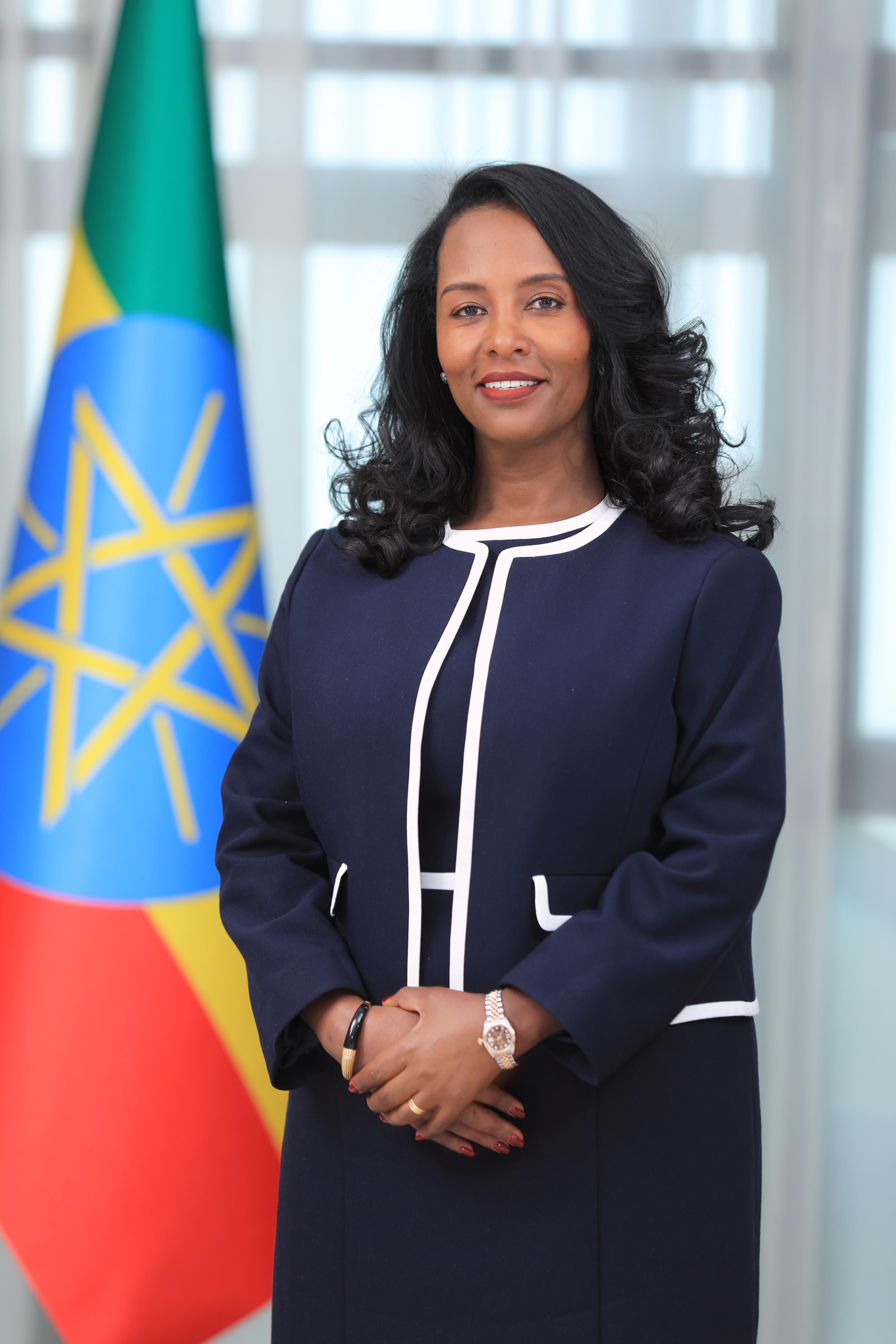
Addis Ababa the Best African City to Raise Children! Mayor Adanech Abiebie's Legacy Goal
Our Vision
By 2026, all children in Addis Ababa will live in the best African city to raise children and create a better future for themselves and for Ethiopia.
Our Mission
The program's core mission is to provide universal access to high-quality, integrated ECD services for the entire population of 1.3 million children under the age of six. We adopt a dual focus: ensuring quality services for everyone while providing intensified support to reach and empower children from 330,000 economically vulnerable low-income households to ensure no child is left behind.